
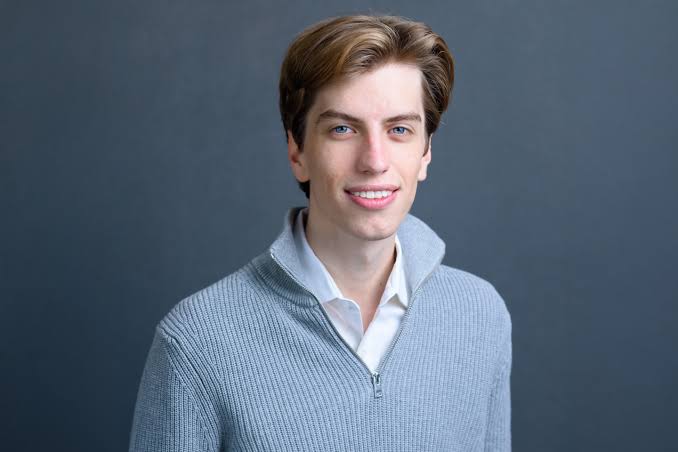
- Situational Awareness, the AI-focused hedge fund built by former OpenAI researcher Leopold Aschenbrenner, was forced to sell its entire public equity portfolio to Ken Griffin's Citadel around July 30 after a 67% loss for the month set off margin calls from its lenders.
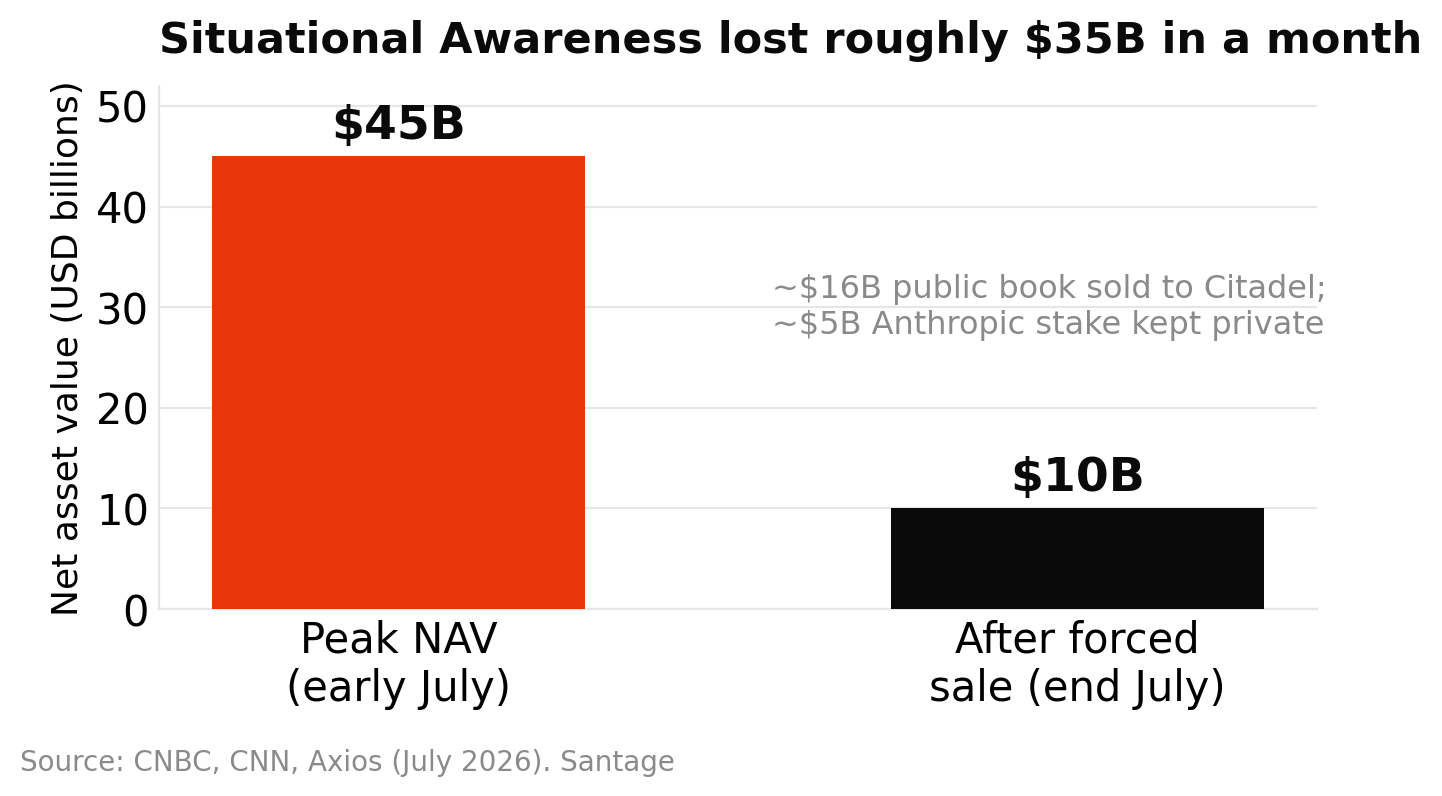
- The fund had peaked near $45 billion in net asset value in early July, up roughly 450% year to date on leveraged bets on AI infrastructure and semiconductors. After the forced sale, its assets stand near $10 billion.
- Situational Awareness kept its private holdings, including a stake in Anthropic estimated at about $5 billion, and is expected to operate mainly as a private holding company from here.
A 450% run undone by leverage
Situational Awareness spent the first half of 2026 as the single most spectacular trade in the AI boom. The fund, run by Aschenbrenner, who left OpenAI in 2024 and is still in his mid-twenties, returned a reported 439% over the first six months and grew toward a peak net asset value of about $45 billion in early July, roughly 450% higher on the year. The engine was concentration and leverage: a tightly held book of AI infrastructure and semiconductor names, borrowed against at a ratio reported to reach four times the fund's capital.
That structure reversed just as fast. A mid-July selloff in AI hardware hit the fund's core positions all at once. SK Hynix, CoreWeave, Nebius, Micron and Bloom Energy fell between roughly 35% and 47% for the month, and short bets the fund had placed against software names including Adobe moved against it at the same time. With leverage amplifying every move, the losses breached collateral thresholds and lenders including Goldman Sachs, JPMorgan and Bank of America issued margin calls.
Citadel steps in, and rivals bid too
Unable to meet the calls, Aschenbrenner was forced to unwind the public book into a falling market. Ken Griffin's Citadel bought the bulk of it, a public-equities portfolio valued at more than $16 billion, in a deal that closed on or around July 30. Citadel rival Millennium and the fund's own investor Jane Street also put in offers, according to people familiar with the process, but Citadel took the majority at prices well below where the positions had traded weeks earlier.
Removing a forced seller of that size calmed the market it had been feeding. The iShares Semiconductor ETF jumped about 8.5%, its sharpest gain in more than a year, after a chip selloff that had erased more than $1 trillion in market value from its late-June peak. Several of the fund's former top holdings, including IREN, SanDisk and CoreWeave, rose more than 20% as the overhang cleared.
| Situational Awareness loss in July 2026 | 67% |
| Peak net asset value, early July | About $45 billion |
| Public equity book sold to Citadel | More than $16 billion |
| iShares Semiconductor ETF relief-rally gain | About 8.5% |
| Anthropic stake retained | About $5 billion |
The Anthropic stake stays private
What Aschenbrenner kept may matter more than what he lost. Situational Awareness retained its private investments, and denied reports that it was selling its stake in Anthropic, an interest estimated at around $5 billion and now the firm's primary remaining asset. People close to the fund expect it to operate from here largely as a private holding company built around that position rather than as a leveraged public trader.
The episode drew immediate commentary about the sequence of events, with Citadel buying distressed AI assets at a discount from a rival it had, in effect, outlasted.
For a fund whose founder built his reputation on being early to AI, the lesson was not about the thesis but about the structure around it. The AI bet was right. The leverage on top of it was not.
Santage is committed to independent, transparent journalism. This article is produced in accordance with Santage's Editorial Standards and aims to provide accurate and timely information. This is market reporting, not investment advice. Readers are encouraged to verify information independently.