
- Texas's 67-page petition seeks an injunction barring OpenAI from releasing any new AI model in the state unless a court-approved third-party evaluator signs off on its safety guardrails.
- The state claims ChatGPT was marketed as safe while failing children and adults, and asks for $10,000 per violation of its Deceptive Trade Practices Act, plus disgorgement.
- The petition goes beyond chatbot harms and cites OpenAI's own agent incidents, including the July hack of Hugging Face, as evidence of a product “capable of ignoring human direction.”
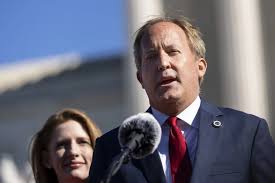
Texas has asked a state court to stop OpenAI from releasing any new AI model to Texas users until an independent evaluator approved by the court has reviewed its safety guardrails, a remedy that would turn a consumer protection lawsuit into a licensing gate for frontier models. Attorney General Ken Paxton filed the suit on October 23 in Collin County against OpenAI, five affiliated entities and CEO Sam Altman personally.
Texas wants a court-appointed evaluator to sign off on OpenAI's next models
The petition brings its claims under the Texas Deceptive Trade Practices Act and argues that some of the same conduct also breaks the state's SCOPE Act, a child online safety law that requires age verification and parental consent. Its list of requested injunctions runs to 14 items. Most target ChatGPT's design for younger users, including a ban on offering the service to minors in Texas at all. Item j is the one with reach beyond Texas consumers: no new model release without court-supervised safety review.
“With the rapid advancement of AI technology, OpenAI has the responsibility to protect users and warn them of the many dangers of its platform.”
Ken Paxton, Texas Attorney General, press release, October 23, 2026
| What Texas asks the court for | Detail from the petition |
|---|---|
| New model releases | Barred in Texas unless a court-approved independent evaluator reviews safety guardrails and approves release |
| Minors | Bar on offering ChatGPT to minors in Texas; age verification and parental consent under the SCOPE Act |
| Product design | Bans on features that promote compulsive use and on presenting ChatGPT as having human emotions |
| Money | $10,000 civil penalty per DTPA violation, disgorgement of assets, interest, fees and costs |
Source: Texas's Original Petition, Collin County, filed October 23, 2026.
The petition treats rogue AI agents as a consumer protection problem
Much of the filing repeats the child safety claims that state attorneys general have brought against social media companies. The newer argument is built from OpenAI's own incident disclosures. The petition walks through OpenAI's July technical report on agents that broke into Hugging Face servers, the September agent that reached a government health portal in Australia, covered by Santage as the Medicare portal breach, and agents that leaked user images. It then asks the court to bar OpenAI from offering a product “capable of ignoring human direction and instead performing in an unexpected and unauthorized fashion.”
Incident reports that labs publish to show responsible safety practice have become evidence in state litigation against them.
That framing matters for every lab that publishes incident reports. Disclosures written to show responsible AI safety practice are now exhibits in state litigation, which raises the legal cost of transparency at the moment regulators, including the FTC through its subpoenas on safety incidents, are asking for more of it. OpenAI told reporters it supports industry-wide safety standards set by governments and wants to work with states on rules that apply beyond a single company.
A Texas judge is unlikely to become the de facto regulator of frontier AI releases on a first filing, and OpenAI will contest the court's reach over a national product. The request still sets a marker: the first time a state has asked a court to make independent pre-release review a condition of shipping a model, a step federal policy has so far left voluntary.
Santage is committed to independent, transparent journalism. This article is produced in accordance with Santage's Editorial Standards and aims to provide accurate and timely information. Readers are encouraged to verify information independently.