
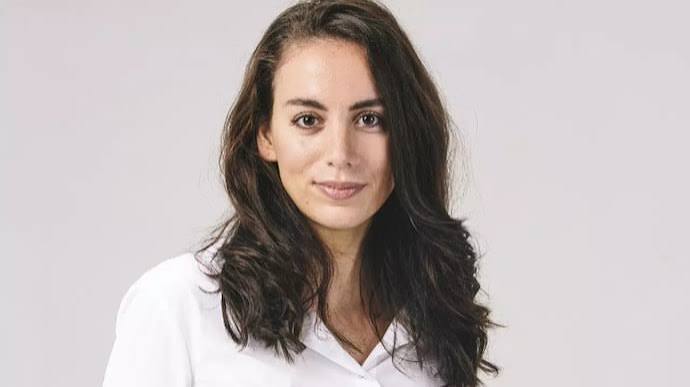
- Thinking Machines Lab is in talks to raise about $1 billion led by existing backer Accel at a roughly $40 billion valuation, according to multiple reports this week.
- The target marks a step down from the $50 billion the company sought late last year, even though its revenue run rate has passed $100 million, implying a valuation near 400 times revenue.
- Several co-founders have left in recent months, including Lilian Weng and Luke Metz, who returned to OpenAI, and Barret Zoph, who joined Google.
Accel leads a bigger round at a smaller number
Thinking Machines Lab, the startup founded by former OpenAI chief technology officer Mira Murati, is in talks to raise around $1 billion in a round led by Accel, an existing investor, according to multiple reports this week. The discussed valuation is roughly $40 billion. That is a large markup on the company's first raise, a record $2 billion seed led by Andreessen Horowitz in 2025 that valued it near $12 billion, and it also sits below the $50 billion the company was reportedly seeking only months ago.
The revenue picture explains part of the tension. Thinking Machines now runs at more than $100 million in annualized revenue, drawn largely from Tinker, its platform for adapting models on a customer's own data, rather than from Inkling, the open-weight model it released in July. A $40 billion valuation against $100 million of revenue is a multiple near 400 times, steep even by the standards of frontier AI, and the gap between the number the company wanted and the number the market appears willing to pay is the story underneath the raise.
| New round | about $1 billion, led by Accel, in talks |
| Valuation | roughly $40 billion, down from $50 billion sought late last year |
| Seed | a record $2 billion in 2025, led by Andreessen Horowitz, at about $12 billion |
| Revenue | more than $100 million run rate, implying a multiple near 400 times |
What a down valuation says about the research-lab trade
The appetite is real. A $1 billion round for a company barely a year old, led by an investor already on the cap table, is a vote of confidence that few startups ever receive. The repricing sits alongside that confidence rather than against it. Investors are still willing to fund Murati's lab at a scale reserved for a handful of companies, and at the same time they are marking the price below where the company itself set it, a distinction that matters more than the headline size of the round.
| Raise | Timing | Amount | Valuation | Lead |
|---|---|---|---|---|
| Seed | 2025 | $2 billion | about $12 billion | Andreessen Horowitz |
| Target (reported) | late 2025 | new round | $50 billion sought | not disclosed |
| In talks | September 2026 | about $1 billion | about $40 billion | Accel |
The people question runs alongside the money one. Several of the co-founders who launched the company with Murati have left, with Lilian Weng and Luke Metz returning to OpenAI and Barret Zoph moving to Google, leaving chief scientist John Schulman as one of the few founding names still in place. For a lab whose entire pitch rests on a small, elite research team, the churn is the kind of signal investors weigh as heavily as any benchmark. It also sharpens the case Thinking Machines has made from the start, that its value lies in the Tinker customization business and its enterprise customers rather than in chasing the frontier that OpenAI, Anthropic and Google are pouring far more capital into.
A billion dollars at forty billion is still one of the largest private AI rounds of the year, and it still lands Murati among the best-funded founders in the field. The number that moved is the one that reveals the mood. A year ago the market paid for the promise of a superstar team building a frontier lab from scratch. Now it is paying for a real business with real revenue and a thinner roster, and it is paying less than the founder asked, which is the clearest sign yet that even the most pedigreed AI startups are being measured against what they earn rather than who they hired.
Santage is committed to independent, transparent journalism. This article is produced in accordance with Santage's Editorial Standards and aims to provide accurate and timely information. Readers are encouraged to verify information independently.